




Blog
The Stainless Steel Jewelry Sustainability Advantage: Why 2026’s Eco-Conscious Buyers Are Switching from Brass

The Material Shift No Jewelry Retailer Can Afford to Ignore
For decades, brass dominated the affordable jewelry market — affordable, malleable, and easy to work with. But in 2026, a quieter revolution is happening at the material level. Stainless steel — particularly 316L marine-grade stainless steel — is displacing brass as the material of choice for forward-thinking jewelry brands, and the reasons go far beyond aesthetics.
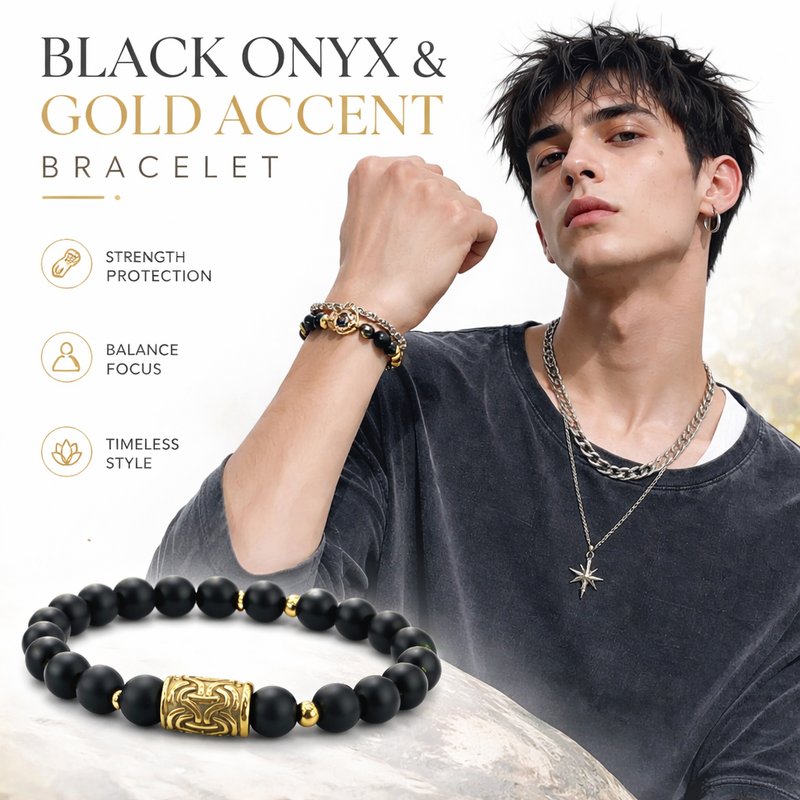
Why Stainless Steel Wins on Sustainability
The fashion jewelry industry is under increasing pressure to demonstrate environmental responsibility. Stainless steel addresses this at the material level:
- Infinite Recyclability: Stainless steel is 100% recyclable without quality degradation. Unlike brass alloys — which mix metals that are difficult to separate — stainless steel can be re-melted and reprocessed indefinitely. For brands making sustainability commitments, this is a tangible, verifiable claim.
- No Tarnishing, No Plating Needed: Brass jewelry typically requires gold or silver plating to prevent oxidation and skin discoloration. That plating eventually wears off — creating waste and customer complaints. Stainless steel retains its finish indefinitely without plating, reducing the number of replacement units a customer needs to purchase over time.
- Lower Maintenance, Lower Replacement Rate: Because stainless steel doesn’t tarnish, crack, or discolor, the effective lifespan of each piece extends dramatically. Fewer replacements means less waste and stronger customer lifetime value — a metric increasingly tracked by smart retailers.
The Skin Safety Conversation Is Getting Louder
One of the biggest drivers of stainless steel adoption in 2026 is the hypoallergenic properties of 316L stainless steel. Here’s why this matters more than ever:
- Rising nickel allergy rates: Nickel is one of the most common contact allergens globally, affecting an estimated 10–20% of the population. Brass alloys often contain nickel as a strengthening agent — creating hidden liability for jewelry brands. 316L stainless steel is designed to be nickel-release compliant, making it safe for sensitive skin.
- Transparent material claims: The modern consumer reads ingredient lists. They research “does this bracelet contain nickel?” before purchase. Brands that clearly market 316L stainless steel as hypoallergenic are capturing the sensitive-skin customer segment that brass simply cannot serve.
- 316L vs 304 stainless steel: Not all stainless steel is equal. 316L (the ‘L’ stands for low carbon) is the superior grade for jewelry — more corrosion-resistant and specifically formulated for skin contact. 304 stainless steel is common in cookware but less optimal for prolonged skin contact. B2B buyers should specify 316L explicitly.
The Business Case: Stainless Steel Margins for Wholesalers
For B2B buyers, the material choice has direct profit implications:
- Higher perceived value: Stainless steel jewelry commands a higher retail price point than equivalent brass pieces — consumers associate steel with durability and quality, not cheap fashion jewelry.
- Lower return rates: Tarnishing, skin discoloration, and allergic reactions are the top three reasons for jewelry returns. Stainless steel eliminates all three — reducing logistics costs and protecting retailer reputation.
- Stronger brand positioning: Brands that explicitly market 316L stainless steel hypoallergenic jewelry can occupy a clearly differentiated premium niche in a market where most competitors are still selling brass.
- Waterproof advantage: Unlike brass or silver, stainless steel doesn’t react with water, sweat, or perfumes. This “shower-safe” property is increasingly marketed by brands as a lifestyle benefit — and it genuinely is.
Dalis Jewelry: Your Stainless Steel Manufacturing Partner
Dalis Jewelry is a senior jewelry manufacturer with a professional design team and advanced production equipment, specializing in the complete range of stainless steel jewelry:
- Rings, necklaces, bracelets, and earrings — all manufactured with 316L stainless steel as standard material
- In-stock products: Novel styles with sufficient inventory and quick delivery for fast restocking needs
- Custom OEM/ODM services: From branded gifts to promotional items — communicate your design requirements, and our team delivers
- Full B2B service model: No order too small for consultation, no customization too complex to quote
All products are manufactured with consistent material quality standards and support cross-border export documentation including CE and relevant material certifications.
How to Position Stainless Steel Jewelry to Retail Buyers
- Lead with skin safety: Train your retail accounts to lead conversations about 316L hypoallergenic properties — it’s the number one purchase driver in this category.
- Highlight longevity: “Designed to last a lifetime” is not an exaggeration for 316L stainless steel. This is a genuine sustainability and value message that resonates with modern consumers.
- Waterproof marketing: “Shower, swim, sweat — never tarnish” is a simple, memorable tagline that differentiates stainless steel from every other material on the shelf.
- Eco-conscious packaging: Pair the material story with minimal, recyclable packaging to complete the sustainability narrative.
Ready to Switch to Stainless Steel?
Dalis Jewelry welcomes B2B inquiries from jewelry brands, retailers, and wholesalers. Whether you need in-stock catalog items or full custom OEM production, our team is ready to discuss your requirements. Contact us directly or explore our online catalog.
Dalis Jewelry — Professional Stainless Steel Jewelry Manufacturer in China.